HR Coil, Scaffolding Manufacturer, and Formwork: Essential Components of Modern Construction
- Renny Boy
- Jun 2
- 3 min read

Introduction
The construction and infrastructure sectors depend heavily on durable materials and efficient support systems to complete projects safely and effectively. Among the most important elements are HR coil, products supplied by a scaffolding manufacturer, and modern formwork systems. Together, these components contribute to the strength, safety, and efficiency of buildings, bridges, industrial facilities, and large-scale infrastructure projects.
This article explores the importance of HR coil, scaffolding, and formwork in today's construction industry.

What is HR Coil?
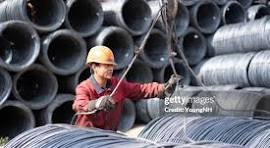
HR Coil (Hot Rolled Coil) is a steel product manufactured by rolling steel slabs at high temperatures, typically above 1,700°F (927°C). This process allows the steel to be shaped efficiently while maintaining excellent mechanical properties.
Key Characteristics of HR Coil
High strength and durability
Excellent weldability
Good formability
Cost-effective production
Suitable for heavy-duty applications
Applications of HR Coil
HR coils are widely used in:
Construction structures
Industrial machinery
Automotive manufacturing
Pipelines
Storage tanks
Scaffolding components
Advantages of HR Coil
Feature | Benefit |
High Strength | Suitable for structural applications |
Easy Fabrication | Simplifies manufacturing processes |
Cost Efficiency | Reduces production costs |
Versatility | Supports multiple industries |
HR Coil Usage Distribution
Construction          ████████████████ 40%
Automotive            ██████████ 25%
Machinery             ████████ 20%
Energy & Others       ██████ 15%
Understanding Scaffolding Systems
Scaffolding provides temporary support structures that allow workers to perform construction, maintenance, and repair activities at elevated heights safely.
A professional scaffolding manufacturer designs and produces systems that meet safety standards while ensuring stability and ease of installation.
Common Types of Scaffolding
Tube and Coupler Scaffolding
Modular Scaffolding
Mobile Scaffold Towers
Suspended Scaffolding
Cantilever Scaffolding
Benefits of Quality Scaffolding
Improved worker safety
Better accessibility
Increased productivity
Reduced project delays
Flexible configurations
Typical Components Manufactured
Standards
Ledgers
Transoms
Base plates
Braces
Platforms
Role of a Scaffolding Manufacturer
A reliable scaffolding manufacturer contributes significantly to construction safety and efficiency.
Responsibilities
Designing safe support systems
Manufacturing high-strength components
Meeting international safety standards
Conducting quality inspections
Providing customized solutions
Construction Priorities
Safety                ████████████████████ 35%
Durability            ████████████████ 30%
Ease of Assembly      ██████████ 20%
Cost Efficiency       ███████ 15%
What is Formwork?
Formwork is a temporary or permanent mold used to shape concrete until it gains sufficient strength to support itself.
Formwork plays a crucial role in creating structural elements such as:
Columns
Beams
Walls
Slabs
Foundations
Bridges
Types of Formwork
Timber Formwork
Traditional and cost-effective for smaller projects.
Steel Formwork
Highly durable and reusable for large-scale construction.
Aluminum Formwork
Lightweight and suitable for repetitive structures.
Plastic Formwork
Reusable and resistant to moisture.
Advantages of Modern Formwork Systems
Enhanced Construction Speed
Modern systems accelerate project completion by allowing quick assembly and dismantling.
Improved Accuracy
Precision-engineered formwork ensures consistent dimensions and superior concrete finishes.
Greater Safety
Advanced locking systems and support structures improve worker protection.
Cost Savings
Reusable systems lower long-term construction expenses.
Relationship Between HR Coil, Scaffolding, and Formwork
These three elements are closely connected within construction projects.
Construction Supply Chain
HR Coil Production
        ↓
Steel Component Manufacturing
        ↓
Scaffolding Systems
        ↓
Formwork Structures
        ↓
Concrete Construction
        ↓
Finished Infrastructure
HR coils provide the raw material for manufacturing scaffolding and formwork components. These systems then support workers and concrete structures throughout the construction process.
Industry Trends
Growing Demand for Sustainable Construction
The construction sector increasingly prioritizes:
Recyclable steel materials
Reusable formwork systems
Long-life scaffolding structures
Efficient resource utilization
Technological Advancements
Modern manufacturers are adopting:
Automated fabrication
Digital design tools
Smart safety monitoring
High-strength steel grades
Comparative Analysis
Factor | HR Coil | Scaffolding | Formwork |
Primary Purpose | Raw Material | Worker Access & Safety | Concrete Shaping |
Reusability | Processed into products | High | High |
Construction Importance | Essential | Critical | Critical |
Material Type | Steel | Steel/Aluminum | Steel/Aluminum/Timber |
Conclusion
HR coil, scaffolding systems, and formwork are fundamental elements of modern construction and infrastructure development. HR coil serves as the foundation for manufacturing durable structural components, while scaffolding ensures safe access for workers and formwork provides the framework necessary for shaping concrete structures.
As construction projects become more complex and sustainability gains importance, advancements in these technologies will continue to improve safety, efficiency, and project performance across the global construction industry.


Comments