Hot Rolled Coil, ERW Pipe, and Formwork in Construction

Introduction
The construction and manufacturing industries rely on high-quality steel materials to build durable structures and develop efficient infrastructure. From raw steel used in fabrication to tubular products and temporary moulds for concrete, every material serves a specific purpose in the construction process. Hot rolled coil, ERW pipe, and formwork are essential products that support a wide range of industrial and building applications.
Understanding how these products are manufactured, where they are used, and what to consider when purchasing them can help contractors, fabricators, and procurement teams make better decisions. Selecting suitable materials also supports consistent quality, efficient construction, and long-term performance.
What Is Hot Rolled Coil?
Hot rolled coil is a flat steel product manufactured by heating steel above its recrystallisation temperature and passing it through rolling mills to achieve the required thickness. The finished steel is wound into coils for easier storage, transportation, and further processing.
Hot rolled coil is widely used in construction, engineering, fabrication, and manufacturing. Its properties depend on the steel grade, rolling conditions, dimensions, and applicable product standards.
Key Benefits of Hot Rolled Coil
1. Versatile applications
Hot rolled coil can be processed into different products, including fabricated steel components, plates, and suitable feedstock for welded tubes.
2. Efficient manufacturing
Coil form supports continuous downstream processing, cutting, and slitting operations.
3. Multiple specifications
Different grades, thicknesses, and widths are available to meet varying manufacturing requirements.
4. Suitable for heavy fabrication
Appropriate grades can be used for industrial components and structural applications where the required properties are satisfied.
5. Supports industrial production
Hot rolled coil is an important raw material for manufacturers serving construction, infrastructure, and engineering sectors.
Common Applications of Hot Rolled Coil
Hot rolled coil is used in several industries:
Construction and structural fabrication
Industrial machinery and equipment
Automotive manufacturing
Welded steel tube production
Infrastructure and transportation
General engineering and metal fabrication
Before purchasing, buyers should check the material grade, thickness, width, surface condition, mechanical properties, and relevant quality documentation.
ERW Pipe: A Reliable Solution for Industrial Applications
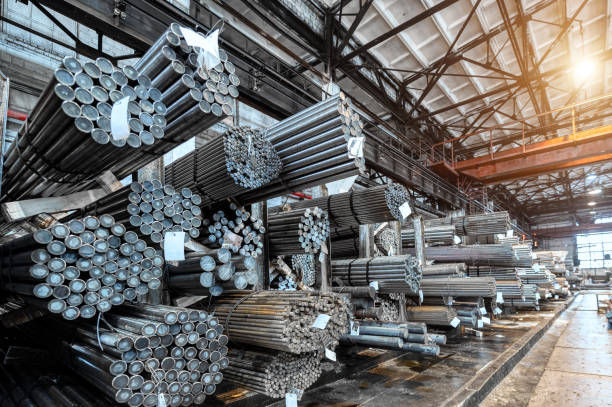
ERW pipe stands for Electric Resistance Welded pipe. It is manufactured by forming flat steel strip into a tubular shape and joining the edges using electrical resistance welding. The process creates a welded seam without requiring filler material in conventional ERW production.
ERW pipes are widely used in construction, infrastructure, engineering, and industrial applications. They are available in different sizes and specifications, making them suitable for various projects when the selected product meets the required standards.
Advantages of ERW Pipe
Consistent dimensions: Controlled production helps manufacturers achieve uniform pipe dimensions.
Manufacturing efficiency: Automated welding and forming processes support repeatable production.
Versatility: ERW pipes can be used in a wide range of fabrication and industrial applications.
Fabrication compatibility: Depending on the grade and specification, pipes can be cut, joined, and fabricated into different assemblies.
Material selection options: Different diameters, wall thicknesses, and grades allow buyers to select products for specific requirements.
Where Is ERW Pipe Used?
ERW pipes are commonly used in:
Building and infrastructure projects
Industrial frameworks and supports
Water-related applications where the product is appropriately specified
Mechanical and general engineering
Fencing and tubular structures
Manufacturing and fabrication
Not every ERW pipe is suitable for every application. Pressure service, structural loading, corrosion exposure, and other operating conditions require the correct grade, wall thickness, manufacturing standard, and testing.
How Hot Rolled Coil Supports ERW Pipe Manufacturing
Suitable hot rolled coil can be used as a raw material for manufacturing certain ERW pipes. The coil is slit or prepared to the required width, formed into a tubular shape, and welded along its longitudinal seam.
The quality of the feedstock influences downstream manufacturing and processing. Manufacturers therefore consider chemical composition, thickness consistency, surface condition, and mechanical properties when selecting hot rolled coil for ERW pipe production.
Formwork: An Essential Part of Concrete Construction
Formwork is a temporary or permanent mould used to hold fresh concrete in the required shape until it gains sufficient strength. It is a fundamental part of building construction and civil engineering, supporting the creation of foundations, columns, beams, walls, slabs, and other concrete elements.
Formwork systems may be made from timber, plywood, steel, aluminium, or engineered materials. The right option depends on the project's design, concrete pressure, construction schedule, surface finish requirements, and reuse expectations.
Benefits of Formwork Systems
1. Shape and dimensional control
Properly designed formwork helps concrete elements achieve the required dimensions and geometry.
2. Improved construction efficiency
Well-planned systems can simplify installation, pouring, and removal operations.
3. Reusability
Suitable steel and aluminium formwork systems can be reused across multiple pours when maintained according to the manufacturer's instructions.
4. Consistent surface finish
The formwork material and its condition influence the finished concrete surface.
5. Support for complex projects
Different formwork configurations can accommodate a range of structural designs and construction methods.
Common Types of Formwork
Formwork type | Typical application |
Timber formwork | Small projects and custom shapes |
Plywood formwork | Walls, slabs, and general concrete work |
Steel formwork | Repetitive construction and demanding applications |
Aluminium formwork | Selected repetitive building systems |
Plastic formwork | Certain lightweight and modular applications |
The correct formwork system should be designed and installed to withstand the expected loads and concrete pressure. Proper bracing, alignment, inspection, and safe removal procedures are essential.
How Hot Rolled Coil, ERW Pipe, and Formwork Work Together
Hot rolled coil, ERW pipe, and formwork serve different functions, but they are connected through the construction and manufacturing supply chain.
Hot rolled coil can supply raw material for ERW pipe production. ERW pipes may be used in selected structural and industrial applications when they meet the relevant requirements. Formwork supports the casting of concrete elements that form part of many buildings and infrastructure projects.
These products should be selected according to their intended uses rather than treated as interchangeable materials.
Comparing Their Roles
Product | Primary function | Key selection factors |
Hot rolled coil | Flat steel feedstock for processing and fabrication | Grade, thickness, width, surface condition |
ERW pipe | Welded tubular product for specified applications | Diameter, wall thickness, grade, applicable standards |
Formwork | Mould and support system for concrete placement | Load capacity, dimensions, material, stability, reuse |
Understanding the role of each product helps project teams plan procurement and coordinate material requirements.
How to Choose Quality Steel and Formwork Products
Selecting the right materials requires more than comparing prices. Buyers should evaluate specifications, quality, suitability, and supplier reliability.
1. Identify the Project Requirements
Define the intended use, dimensions, loads, environmental conditions, and relevant standards before placing an order.
2. Check Material Specifications
For hot rolled coil and ERW pipe, verify the grade, dimensions, mechanical properties, and applicable standards. For formwork, review the system design, load ratings, compatibility, and installation requirements.
3. Review Quality Documentation
Request material test certificates and inspection records where applicable. Ensure that supplied products match the agreed specifications.
4. Consider Durability and Reuse
Evaluate the expected service conditions, maintenance needs, storage requirements, and potential for reuse. This is especially important for formwork systems used repeatedly across construction projects.
5. Choose a Reliable Supplier
A dependable supplier should communicate product details clearly, maintain quality controls, and provide suitable documentation and delivery support.
Improving Efficiency in Modern Construction
Construction productivity depends on coordination among material suppliers, designers, fabricators, and contractors. Using correctly specified steel products can help reduce avoidable rework, improve fabrication planning, and maintain consistency across projects.
Similarly, properly designed formwork can improve concrete placement, support accurate dimensions, and help construction teams manage repetitive work. Material handling, quality inspection, and compliance with safety requirements are important throughout the process.
Businesses can improve procurement decisions by planning quantities carefully, checking specifications before delivery, and coordinating material schedules with construction milestones.
Frequently Asked Questions
1. What is hot rolled coil used for?
Hot rolled coil is used in steel fabrication, construction, machinery manufacturing, infrastructure, and the production of certain welded steel tubes.
2. What does ERW pipe mean?
ERW pipe means Electric Resistance Welded pipe. It is manufactured by forming steel strip into a tube and welding the edges using electrical resistance.
3. Can hot rolled coil be used to manufacture ERW pipe?
Yes. Suitable hot rolled coil can be used as feedstock for certain ERW pipe manufacturing processes. The material must meet the required specifications.
4. What is formwork in construction?
Formwork is a mould and supporting system used to contain fresh concrete until it develops sufficient strength to retain its shape.
5. Which formwork material is best?
There is no single best material for every project. Timber, plywood, steel, aluminium, and plastic formwork each have different cost, durability, finish, and reuse characteristics.
6. How can buyers ensure product quality?
Buyers should verify specifications, inspect products where appropriate, review quality documentation, and work with suppliers that provide clear technical information.
Conclusion
Hot rolled coil, ERW pipe, and formwork are important components of modern construction and industrial manufacturing. Hot rolled coil provides a versatile steel feedstock, ERW pipe supports tubular fabrication, and formwork enables concrete structures to be cast accurately and efficiently.
Selecting suitable products requires attention to material specifications, quality documentation, safety, and project requirements. With careful planning and reliable suppliers, businesses can support efficient construction processes and durable results.
Looking for industrial steel solutions? Explore Renny Strips to learn more about its steel product range, including hot rolled coils and other industrial steel materials. Contact the company to discuss your project requirements and product specifications.

Comments