Green Steel, Scaffolding, and Wire Rod: Building a Sustainable Future

Introduction
The steel industry plays a vital role in modern construction, infrastructure development, and industrial manufacturing. As businesses increasingly focus on sustainability, material efficiency, and environmental responsibility, products such as Green Steel, scaffolding, and wire rod are gaining importance across the construction supply chain.
Green Steel supports efforts to reduce the environmental impact of steel production. Scaffolding provides temporary access and working platforms for construction and maintenance activities, while wire rod serves as a versatile raw material for manufacturing various steel products. Understanding these materials helps businesses make informed decisions about quality, safety, performance, and sustainability.
What Is Green Steel?
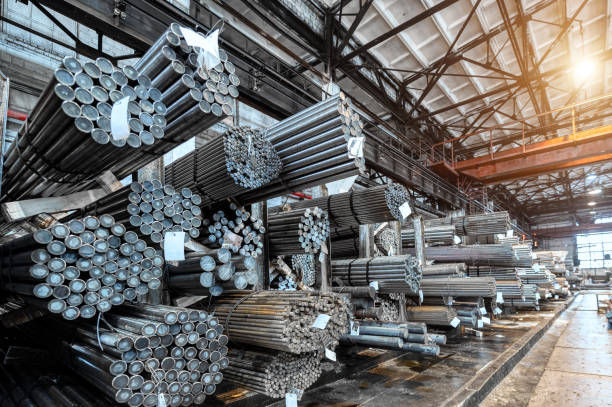
Green Steel refers to steel produced through manufacturing processes designed to reduce greenhouse gas emissions compared with conventional production routes. Depending on the production method, this may involve renewable electricity, increased use of recycled steel, energy efficiency improvements, low-carbon ironmaking technologies, or other emission-reduction measures.
As governments and industries pursue decarbonisation targets, demand for lower-emission steel is growing across construction, transportation, manufacturing, and infrastructure.
Key Benefits of Green Steel
1. Reduced carbon emissions
Green Steel production aims to lower emissions associated with steelmaking. The actual reduction depends on the manufacturing technology, energy sources, raw materials, and production processes used.
2. Support for sustainable construction
Builders and infrastructure developers can consider lower-emission steel when working towards sustainability objectives and reducing the embodied carbon of projects.
3. Improved supply chain transparency
Environmental product declarations, verified emissions data, and credible certifications can help buyers evaluate the environmental performance of steel products.
4. Long-term industry transformation
Investment in cleaner technologies can encourage innovation, improve resource efficiency, and support the transition towards lower-carbon industrial production.
Applications of Green Steel
Green Steel can be used in a wide range of applications, including structural frameworks, industrial buildings, infrastructure projects, automotive components, machinery, and selected construction products.
When evaluating Green Steel, buyers should examine the production route, emissions measurement boundaries, recycled content, product specifications, and relevant third-party verification. The term alone does not guarantee a particular emissions reduction.
Understanding Scaffolding in Construction
Scaffolding is a temporary structure that provides workers with safe access to elevated areas during building, repair, installation, painting, and maintenance work. It is widely used in residential construction, commercial buildings, industrial facilities, and infrastructure projects.
Scaffolding systems can be manufactured using steel, aluminium, or other suitable materials. Steel scaffolding is commonly selected for applications that require robust components and repeated use under demanding site conditions.
Advantages of Scaffolding
Elevated access: Helps workers reach high walls, ceilings, façades, and other difficult-to-access areas.
Work efficiency: Provides a platform for performing construction and maintenance tasks.
Reusable components: Properly maintained systems can be dismantled, inspected, and reused according to manufacturer instructions.
Versatile applications: Suitable systems are available for different site layouts, heights, and project requirements.
Durability: Appropriately specified and maintained steel components can withstand repeated use in suitable working environments.
Essential Scaffolding Safety Practices
Safety should always be a priority when selecting and using scaffolding. The system must be designed and assembled for its intended application by competent personnel.
Important considerations include load capacity, stable foundations, secure connections, guardrails, safe access, platform condition, and inspection procedures. Workers should follow manufacturer instructions and applicable safety regulations. Scaffolding must never be loaded beyond its rated capacity.
What Is Wire Rod?
Wire rod is a hot-rolled steel product supplied in coil form. It is commonly used as a raw material for further processing, including drawing, forming, and manufacturing different steel products.
Wire rod is available in different grades and specifications to meet the needs of construction, automotive, engineering, and general manufacturing industries.
Common Applications of Wire Rod
1. Wire manufacturing
Wire rod is processed through drawing operations to produce steel wire in different diameters for industrial and commercial applications.
2. Construction products
Depending on the grade and applicable standards, wire rod can be used to manufacture nails, binding wire, mesh, and other construction-related products.
3. Fasteners and engineering components
Suitable wire rod grades are used to produce bolts, screws, and other fasteners through appropriate manufacturing processes.
4. Automotive and industrial applications
Specialised grades may be processed into components that require defined mechanical properties and consistent material quality.
Benefits of Quality Wire Rod
Quality wire rod supports reliable downstream manufacturing by providing suitable chemical composition, dimensional consistency, and mechanical properties. Selecting the right grade can improve processing efficiency and help reduce defects during drawing, forming, or other production operations.
Buyers should evaluate the intended end use, carbon content, surface quality, coil weight, dimensional tolerances, and relevant technical standards before purchasing wire rod.
How Green Steel, Scaffolding, and Wire Rod Connect
Although Green Steel, scaffolding, and wire rod serve different purposes, they are connected through the broader steel manufacturing and construction ecosystem.
Material or Product | Primary Purpose | Industry Applications |
Green Steel | Steel manufactured using processes intended to reduce emissions | Infrastructure, construction, manufacturing, and transportation |
Scaffolding | Temporary access and working platforms | Building construction, maintenance, repairs, and industrial projects |
Wire Rod | Raw material for further processing into wire and other products | Fasteners, nails, wire mesh, and engineering components |
Lower-emission steel may be considered for suitable construction and industrial products when the required specifications and verified material properties are met. Scaffolding manufacturers can assess lower-emission material options, while wire rod manufacturers can evaluate steel grades and production routes that align with customer requirements.
However, sustainability claims should be supported by appropriate documentation, and all materials must meet the technical and safety requirements of their intended applications.
The Role of Sustainable Steel in Modern Infrastructure
Infrastructure projects require materials that combine strength, durability, availability, and cost-effectiveness. At the same time, project owners and contractors are increasingly evaluating the environmental impact of construction materials.
Green Steel can contribute to lower embodied carbon when its emissions performance is verified and it replaces a higher-emission alternative in a suitable application. Scaffolding supports efficient construction and maintenance activities, while wire rod helps supply the materials needed for numerous fabricated products.
Businesses can strengthen their sustainability strategies by considering the following practices:
Evaluate the embodied carbon of steel products using consistent measurement methods.
Request environmental product declarations or other credible emissions documentation where available.
Reduce material waste through better design, accurate procurement, and efficient fabrication.
Extend product life through appropriate maintenance and inspection.
Support recycling and responsible end-of-life material recovery.
These practices can help businesses balance operational needs with environmental objectives.
Factors to Consider When Selecting Steel Products
Choosing suitable steel products involves evaluating both technical performance and commercial requirements.
1. Product Specifications
Confirm the required steel grade, dimensions, tolerances, mechanical properties, and applicable standards. Specifications must reflect the product's intended use.
2. Manufacturing Quality
Review the supplier's quality management procedures, inspection reports, traceability systems, and material test certificates where applicable.
3. Safety Requirements
For scaffolding, assess system compatibility, structural design, load ratings, and inspection requirements. For wire rod and other steel materials, verify that the grade and properties meet the intended manufacturing requirements.
4. Sustainability Credentials
When purchasing Green Steel or lower-emission steel products, request transparent information about production emissions, calculation methods, recycled content, and third-party verification.
5. Supplier Reliability
Consider production capacity, delivery timelines, product availability, technical support, and consistency of supply when evaluating manufacturers.
Future Trends in Green Steel and Steel Manufacturing
The steel industry continues to explore technologies and practices that can reduce environmental impacts while maintaining product quality and production efficiency.
Low-Emission Production Technologies
Hydrogen-based ironmaking, direct reduced iron, electric arc furnaces, renewable electricity, and carbon capture are among the approaches being developed or deployed to reduce emissions. Their suitability and effectiveness vary by location, technology, and energy supply.
Circular Material Use
Recycling steel can reduce the need for primary raw materials, although the environmental benefit depends on electricity sources, processing methods, scrap quality, and the overall production route.
Greater Supply Chain Transparency
Buyers increasingly need reliable emissions data to support procurement decisions, environmental reporting, and applicable regulatory requirements. Better traceability can help distinguish verified lower-emission products from broad, unsupported sustainability claims.
Efficient Construction Practices
Construction companies can improve resource use through accurate material planning, reduced waste, regular equipment maintenance, and responsible recycling of steel components at the end of their service life.
Conclusion
Green Steel, scaffolding, and wire rod each play an important role in modern construction and industrial manufacturing. Green Steel supports the transition towards lower-emission production, scaffolding provides essential access for construction and maintenance, and wire rod supplies the raw material for a wide range of manufactured steel products.
By prioritising verified sustainability credentials, material quality, safety, and reliable sourcing, businesses can make better procurement decisions and support long-term infrastructure development. As the steel industry evolves, combining dependable product performance with responsible manufacturing practices will remain essential for building a more sustainable future.

Comments