The Importance of Quality Scaffolding Materials and Hot Rolled Coil in Modern Construction

The construction industry depends on durable materials and reliable equipment to ensure safety, efficiency, and long-term structural performance. Among the most essential components are scaffolding materials, hot rolled coil, and scaffolding systems, all of which contribute significantly to the success of residential, commercial, and industrial projects.
What Are Scaffolding Materials?
Scaffolding materials include the pipes, tubes, planks, couplers, base plates, braces, and other components used to create temporary structures that support workers and construction materials during building, maintenance, and repair activities. High-quality scaffolding materials provide excellent load-bearing capacity, stability, and resistance to wear, ensuring a safe working environment at various heights.
Selecting premium scaffolding materials minimizes the risk of structural failure while improving productivity on construction sites. Contractors should always choose materials that comply with industry safety standards and are manufactured with precision.
Understanding Hot Rolled Coil
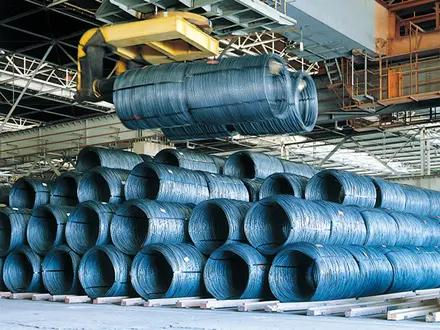
Hot rolled coil is one of the most widely used steel products in manufacturing and construction. Produced by rolling steel at high temperatures, hot rolled coil offers excellent formability, weldability, and mechanical strength. It serves as a raw material for manufacturing structural sections, pipes, automotive components, machinery, storage systems, and numerous industrial products.
Manufacturers prefer hot rolled coil because it is cost-effective, easy to fabricate, and suitable for heavy-duty applications. Its versatility makes it an indispensable material across multiple industries.
The Role of Scaffolding in Construction
Reliable scaffolding systems are essential for ensuring worker safety and project efficiency. They provide stable platforms that allow workers to perform tasks such as bricklaying, plastering, painting, welding, and structural installation with greater accuracy and confidence.
Modern scaffolding systems are designed to be easy to assemble, highly durable, and capable of supporting significant loads. Whether used in high-rise buildings, bridges, industrial plants, or infrastructure projects, quality scaffolding enhances both safety and operational efficiency.
Why Material Quality Matters
Using premium steel products directly impacts the strength and durability of scaffolding systems. High-grade hot rolled coil is often processed into scaffolding pipes and structural components because of its superior mechanical properties. Combined with high-quality scaffolding materials, it creates reliable systems capable of performing under demanding construction conditions.
Benefits include:
Enhanced worker safety
Greater structural stability
Improved corrosion resistance with suitable finishing
Longer service life
Reduced maintenance costs
Higher project efficiency
Choosing a Trusted Steel Supplier
Selecting a reputable steel manufacturer ensures consistent product quality, dimensional accuracy, and compliance with international standards. Experienced manufacturers employ advanced production processes and rigorous quality control to deliver scaffolding materials and hot rolled coil that meet the requirements of modern construction projects.
Businesses should evaluate suppliers based on manufacturing capability, quality certifications, delivery reliability, and customer support before making purchasing decisions.
Conclusion
The success of every construction project depends on dependable scaffolding materials, premium hot rolled coil, and durable scaffolding systems. Investing in high-quality steel products improves safety, boosts productivity, and ensures long-lasting performance across residential, commercial, and industrial applications. By partnering with a trusted steel manufacturer, construction companies can build stronger, safer, and more efficient projects while meeting the growing demands of today's infrastructure and engineering sectors.


Comments