How Scaffolding Manufacturers, HR Coil Production, and CBAM Compliance Are Shaping the Future of Steel

The global steel and construction industries are undergoing significant transformation as businesses focus on quality, sustainability, and regulatory compliance. Three important factors driving this change are the role of a reliable scaffolding manufacturer, the growing demand for HR coil, and adherence to CBAM (Carbon Border Adjustment Mechanism) regulations. Together, these elements contribute to safer construction projects, stronger steel products, and environmentally responsible manufacturing practices.
The Role of a Scaffolding Manufacturer in Construction
A professional scaffolding manufacturer plays a critical role in ensuring workplace safety and operational efficiency. Scaffolding systems provide workers with secure access to elevated areas during construction, maintenance, and industrial operations. Modern scaffolding solutions are designed to withstand heavy loads while offering flexibility and ease of installation.
Key benefits of quality scaffolding include:
Enhanced worker safety
Faster project completion
Reduced operational risks
Improved productivity
Compliance with safety standards
As infrastructure projects become more complex, demand for durable and innovative scaffolding systems continues to increase worldwide.
HR Coil: The Foundation of Industrial Manufacturing
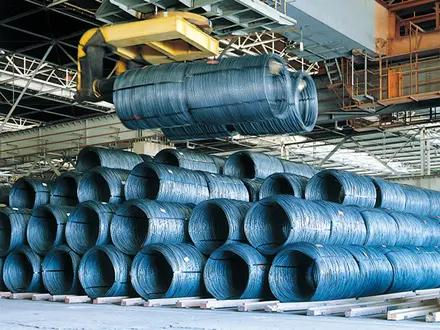
HR coil (Hot Rolled Coil) is one of the most widely used steel products across construction, automotive, engineering, and manufacturing industries. Produced through hot rolling processes, HR coils offer excellent strength, formability, and cost-effectiveness.
Applications of HR coil include:
Structural steel fabrication
Construction equipment
Industrial machinery
Storage tanks and pipelines
Automotive components
Manufacturers rely on high-quality HR coils because they provide consistent performance and serve as the raw material for numerous downstream steel products.
Understanding CBAM and Its Impact
The CBAM framework is transforming the global steel industry by encouraging manufacturers to reduce carbon emissions. Companies exporting steel products to international markets are increasingly required to demonstrate transparency regarding their carbon footprint.
Benefits of CBAM compliance include:
Improved environmental sustainability
Greater market access
Enhanced corporate reputation
Reduced carbon emissions
Increased competitiveness in global markets
Forward-thinking steel manufacturers are investing in cleaner technologies and sustainable production methods to meet evolving environmental standards.
Building a Sustainable Future
The combination of advanced scaffolding systems, high-quality HR coil production, and CBAM compliance is helping create a stronger and more sustainable industrial ecosystem. Scaffolding manufacturers ensure safety at construction sites, HR coils provide the strength required for infrastructure projects, and CBAM encourages environmentally responsible manufacturing practices.
As industries continue to evolve, businesses that prioritize quality, safety, and sustainability will be better positioned for long-term success in both domestic and international markets.


Comments